
For many Veterans, the battle doesn’t end when they return home. The experiences of deployment, combat exposure, loss, and the transition back to civilian life can take a profound toll on mental well-being. While every Veteran’s story is unique, the mental-health challenges they face often share common threads: post-traumatic stress, depression, anxiety, substance use, and a lingering sense of isolation. The good news is that effective, compassionate treatment options exist—and awareness and accessibility have grown dramatically over the past decade.
Understanding the Mental Health Needs of Veterans
Post-Traumatic Stress Disorder (PTSD)
PTSD remains one of the most recognized mental-health issues among Veterans. It can develop after experiencing or witnessing traumatic events such as combat, military sexual trauma, or life-threatening situations. Veterans with PTSD may experience flashbacks, nightmares, hypervigilance, and avoidance behaviors that disrupt daily life.
Depression and Anxiety
Feelings of sadness, loss of motivation, guilt, and hopelessness are common, particularly for those struggling to adjust to civilian life. Anxiety—often tied to hyperawareness or fear responses developed during service—can manifest through restlessness, irritability, and physical tension.
Traumatic Brain Injury (TBI)
Many service members experience concussions or blast-related brain injuries that affect mood regulation, concentration, and memory. TBI and PTSD often overlap, complicating diagnosis and treatment.
Substance Use Disorders
Some Veterans turn to alcohol or drugs to numb psychological pain. While this may offer temporary relief, it often worsens depression and anxiety, and can interfere with healing.
Suicidal Thoughts and Crisis
Tragically, suicide remains a critical issue among Veterans. According to the U.S. Department of Veterans Affairs, Veterans account for a disproportionate percentage of suicides in the U.S. Early intervention, ongoing care, and strong community connection are crucial in reducing these risks.
Treatment Options for Veterans
-
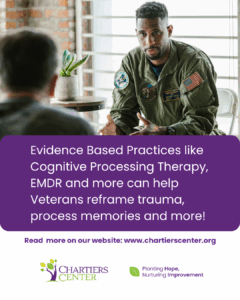 Evidence-Based Therapies
- Cognitive Processing Therapy (CPT): Helps Veterans reframe and challenge unhelpful beliefs related to trauma.
- Prolonged Exposure Therapy (PE): Encourages gradual exposure to trauma-related memories and situations in a safe environment.
- Eye Movement Desensitization and Reprocessing (EMDR): Uses eye movements or tapping to process traumatic memories.
- Cognitive Behavioral Therapy (CBT): Focuses on identifying and changing negative thought patterns that affect mood and behavior.
- Medication Management
Psychiatrists may prescribe antidepressants, anti-anxiety medications, or sleep aids to help stabilize mood and reduce symptoms. When combined with therapy, medication can significantly improve quality of life.
-
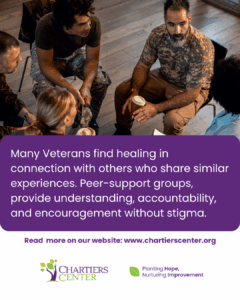 Group and Peer Support
Many Veterans find healing in connection with others who share similar experiences. Peer-support groups, both in-person and virtual, provide understanding, accountability, and encouragement without stigma. They also create a sense of community which can be lost when soldiers return home.
- Holistic and Complementary Approaches
Mindfulness, yoga, art therapy, and service animals are increasingly integrated into treatment plans. These approaches help Veterans regain a sense of calm, purpose, and control.
- Inpatient and Residential Programs
For Veterans experiencing severe symptoms or crises, inpatient or residential programs provide intensive, 24-hour care. These environments offer structured therapy, medication management, and community support in a safe setting.
The Path Forward
Mental-health treatment for Veterans is not one-size-fits-all. Healing takes time, patience, and the right support network. What matters most is taking the first step—whether that means calling a counselor, reaching out to a peer group, or talking to a trusted friend.
Our nation’s Veterans have shown extraordinary resilience in service. That same strength can lead them toward recovery, renewed purpose, and hope. With continued awareness, expanded access to care, and community support, we can ensure that no Veteran faces their struggles alone.
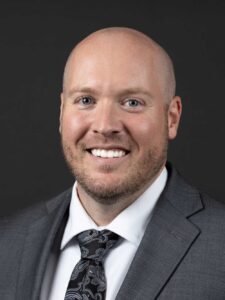 Written by Adam Krizanik, MA, LPC, Clinical Administrator of Recovery Rehabilitative Services