Medication-Assisted Treatment (MAT) is a vital approach for treating substance use disorders (SUDs), particularly opioid use disorder, and alcohol use disorder. MAT combines medications with counseling and behavioral therapies, providing a comprehensive approach to treatment. Here are some key benefits and common myths surrounding MAT:
Benefits of MAT:
1. Improved Outcomes:
- Reduction in Drug Use: MAT has been shown to decrease alcohol use and/or illicit opioid use and help individuals engage in treatment longer so they can achieve recovery. Recovery means “getting back to a regular life without substances.”
- Decreased Morbidity and Mortality: Research indicates that MAT significantly reduces the risk of overdose and death among people with opioid use disorder. MAT also reduces the risk of contracting chronic, potentially life shortening diseases such as Hepatitis B, C, and HIV.
2. Enhanced Quality of Life:
- Stability and Functioning: MAT helps individuals regain stability in their lives, improving their ability to work, engage with family and friends, and participate in daily activities.
- Reduced Criminal Behavior: Treatment often leads to decreased criminal activity associated with drug-seeking behavior.
3. Access to Support Services:
- Integrated Care: MAT programs often provide comprehensive care, including counseling, medical care or help coordinating medical care, and social support, addressing the multiple facets of addiction.
4. Management of Withdrawal Symptoms:
- Symptom Relief: MAT can help with the management of withdrawal symptoms and cravings, making it easier for individuals to focus on their recovery.
5. Evidence-Based Approach:
- Proven Effectiveness: MAT is supported by extensive research demonstrating its efficacy in treating substance use disorders and improving long-term outcomes.
Myths and Misconceptions About MAT:
Myth: MAT is just substituting one addiction for another.
Fact: MAT involves using medications that are specifically designed to stabilize brain chemistry and reduce cravings, not to create a new addiction. Medications like methadone, buprenorphine, and naltrexone help normalize brain function, allowing individuals to focus on their recovery without the euphoric highs and lows of illicit drug us
Myth: MAT is not a real treatment and just masks the problem.
Fact: MAT is a well-established, evidence-based treatment that addresses both the physiological and psychological aspects of addiction. It’s part of a comprehensive treatment plan that includes counseling and behavioral therapies to tackle the root causes of addiction
Myth: Only people who have failed other treatments use MAT.
Fact: MAT is often an effective first-line treatment. It can be beneficial for many individuals from the outset, and it’s used in combination with other therapies to provide the best chance of long-term success.
Myth: MAT is a lifelong commitment and doesn’t allow for recovery.
Fact: While some individuals may use MAT for extended periods, others may taper off the medication as part of their recovery plan. The duration of MAT is tailored to each individual’s needs and recovery goals.
Myth: MAT programs are only for people who are not committed to recovery.
Fact: MAT is for people who are committed to their recovery but need additional support to manage their addiction. It’s a tool that helps individuals achieve and maintain sobriety and live productive lives.
Myth: MAT doesn’t address the underlying issues of addiction.
Fact: MAT is typically part of a broader treatment plan that includes therapy and counseling to address underlying issues, such as trauma or mental health conditions, that contribute to substance use disorders.
Understanding these benefits and debunking myths can help improve awareness and acceptance of MAT as a legitimate, effective and evidence-based treatment option for those struggling with substance use disorders.
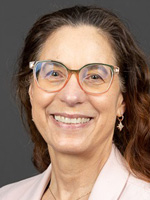 Article written by Dr. Anna Boettcher, MD, the Medical Director at Chartiers Center.
Our Substance Use Outpatient program is accepting referrals. We provide MAT in the form of Suboxone and Vivitrol. We also provide individual therapy and Intensive Outpatient Therapy.
If you or someone you know is looking for help, please contact our intake team at intake@chartierscenter.org to make an appointment today.