Over the past few years, there’s been a lot of light shed on the effectiveness of Mindfulness for individuals with anxiety, depression, bipolar disorder and many other mental health and addiction challenges. Mindfulness involves being present and fully engaged in the current moment helps enhance awareness and clarity. Practicing mindfulness has many mental, emotional and physical benefits from reducing stress and improving focus to promoting emotional regulation which can help decrease anxiety and depression symptoms.
There are many simple ways to practice mindfulness and incorporate them into your daily schedules. Some examples include:
- Pay attention to your surroundings. It’s hard to slow down and notice things in a busy world. Try to take the time to experience your environment with all of your senses — touch, sound, sight, smell and taste. For example, when you eat a favorite food, take the time to smell, taste and truly enjoy it.
- Live in the moment. Try to intentionally bring an open, accepting and discerning attention to everything you do. Find joy in simple pleasures.
- Accept yourself. Treat yourself the way you would treat a good friend.
- Focus on your breathing. When you have negative thoughts, try to sit down, take a deep breath and close your eyes. Focus on your breath as it moves in and out of your body. Sitting and breathing for even just a minute can help.
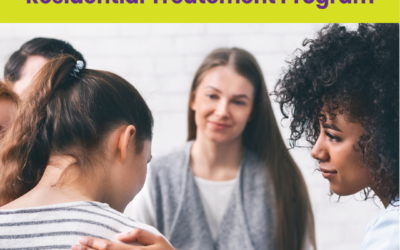
At Chartiers Center, we utilize Mindfulness in Substance Use Treatment in a variety of ways. Guided Meditations with intention can promote relaxation and clarity. Dialectical Behavioral Therapies (DBT) such as Journaling, Body Scan exercises or mental health worksheets can help discern negative behavior patterns and focus on problem solving skills. Utilizing mindfulness activities in both group or individual sessions has helped consumers reduce avoidance, enhance emotional regulation and increase self-awareness. In group therapy, mindfulness can help develop a support system amongst the participants of the group.
Practice is the key to improving mindfulness skills. The more you intentionally practice, the easier it becomes. We hope that mindfulness along with IOP and MAT, we can provide relief and help maintain sobriety for all our consumers.